
A Homeowner's Guide to Painting Your Home in San Juan Capistrano, CA
· By Charles Perestrelo
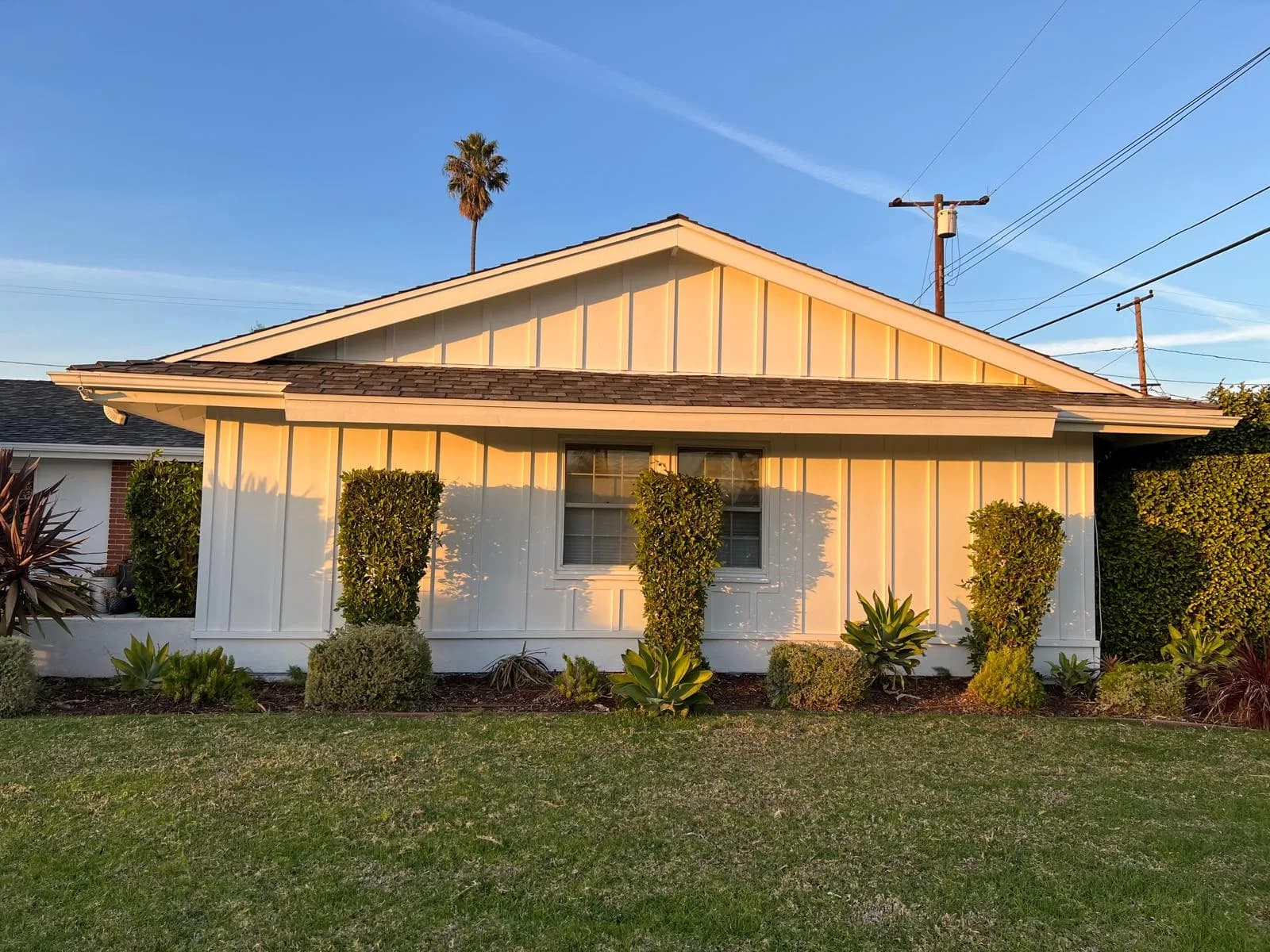
San Juan Capistrano is one of the oldest towns in California, and it looks the part. Between Mission San Juan Capistrano, the adobe cottages of the Los Rios Historic District, and the ranch and equestrian properties spread across the inland valley, the architecture here carries real history. Painting a home in this town is less about following a trend and more about honoring a look that has held up for two centuries. The right color, sheen, and prep will make a house feel like it belongs on its street rather than fighting against it.
This guide walks through what actually matters when you plan an exterior or interior repaint in San Juan Capistrano: the color families that suit the local style, how to care for the wood beams and gates that define so many homes here, what the warmer inland climate does to a paint job over time, and how to time the work so it lasts. Verdan Painting is owner-operated by Charles Perestrelo out of San Clemente and works throughout Orange County, so the notes below come from painting homes in this exact climate and building stock.
Local architecture and earth-tone palettes
The dominant look in San Juan Capistrano is Spanish Colonial and adobe-inspired: stucco walls, low-pitched clay tile roofs, arched openings, and exposed wood. That style has a natural color logic. Warm, muted earth tones read as authentic here, while cool grays and stark bright whites often look out of place next to terracotta roofs and desert-adjacent landscaping. Think creamy off-whites, sand, adobe tan, ochre, and soft warm taupe for the body, with deeper browns, iron reds, or muted olive and sage for accents and trim.
A useful approach is to start from the fixed elements you cannot change: the roof tile color, any stone or brick, and the mature landscaping. Pull your body color from that same family so the whole property feels intentional. For homes near the Mission or in older neighborhoods, staying within the historic earth-tone range also helps a repaint blend into the streetscape instead of announcing itself. If you want contrast, put it in the front door, iron railings, or wood details rather than the main walls.
Refinishing wood beams, gates, and trim
Exposed wood is a signature of homes in this area: beam ends and rafter tails under the eaves, heavy timber gates, garage doors, pergolas, and ranch-style fencing on equestrian lots. Wood is also the first thing to fail visually, because sun and dry heat break down the finish faster than they break down stucco. Grayed, cracked, or peeling wood can make an otherwise solid house look tired.
Refinishing wood is different work from painting stucco. It usually means sanding back the failed coating, spot-repairing checked or split areas, and choosing between a solid stain, a semi-transparent stain, or a clear or pigmented sealer depending on how much grain you want to keep. On heavy timber gates and beams, a penetrating stain often ages better than a film-forming paint because it flexes with the wood and does not peel in sheets. Verdan Painting handles wood staining, wood refinishing, and even faux wood-grain finishes when a homeowner wants the timber look on a surface that is not solid wood.
What the valley heat does to a paint job
San Juan Capistrano sits a little inland, and that matters. Compared with the immediate coast, the valley runs warmer and drier, with strong afternoon sun and bigger day-to-night temperature swings. Over years, that heat cycle is the main thing working against your paint. UV exposure fades color, especially deep reds and dark accents on south and west walls. Heat and dryness make wood expand, contract, and check, which is why gates and beams need attention sooner than the stucco does.
Two choices help the finish hold up. First, use quality exterior products rated for high UV and pick fade-resistant pigments for any dark accent colors. Second, respect the surface prep, because in dry heat a coating that was applied over chalky or poorly cleaned stucco will release early. Pressure washing to remove chalk, dust, and old residue before painting is not optional in this climate; it is what lets the new coat actually bond. Verdan Painting offers pressure washing as part of exterior prep for that reason.
Respecting historic character
If your home is in or near the Los Rios Historic District, or is an older adobe or original ranch structure, treat the repaint as preservation, not just maintenance. Older walls may be true adobe or lime-based stucco that behaves differently from modern cement stucco. These surfaces often need to breathe, and sealing them under the wrong kind of film-forming paint can trap moisture inside the wall. When in doubt on a genuinely historic structure, confirm the substrate before committing to a product.
Color choices carry weight here too. Historic districts and some HOAs have expectations, and sometimes formal guidelines, about palettes that keep the neighborhood coherent. Sticking to documented earth-tone ranges is both the safe and the good-looking move. Check any applicable district or HOA rules early, before you fall in love with a swatch, so approval does not become a surprise at the end of planning.
Timing your project
Southern California gives you a long painting season, but timing still affects quality. The comfortable windows are late spring and fall, when temperatures are steady and humidity is low. Coatings cure best in moderate, dry conditions, which the inland valley provides for much of the year. The two things to plan around are the coolest, dampest stretches of winter mornings and the hottest peaks of summer afternoons, when direct sun on a wall can make paint dry too fast and flash before it levels out.
On a practical level, good crews often paint east-facing walls in the morning and west-facing walls later, chasing shade to avoid applying in blazing direct heat. For a full exterior on a typical single-family home, plan for several days of dry weather in a row so wash, dry, prep, and coats each get their time. If you also want interior work, cabinet refinishing, or decorative finishes like Italian plaster or metallic accents, bundling those into the same project window is more efficient than booking separate trips.
Planning the work and getting it right
A repaint goes smoothly when the decisions are made before the crew arrives. Walk the property and note problem areas: chalky or faded south and west walls, peeling wood, hairline stucco cracks, rusted iron, and any past patch that never matched. Decide your body color, trim color, and accent early, and view large samples on the actual walls in both morning and afternoon light, because earth tones shift a lot between full sun and shade.
It also helps to think about the whole envelope at once. Interior and exterior painting, cabinet painting, color consulting, and decorative finishes such as Italian plaster, metallic, or faux wood-grain can all be scoped together so the palette stays consistent from the street to the kitchen. Verdan Painting is owner-operated and covers Orange County and South LA County, and color consulting is part of the service, which is useful in a town where matching the historic earth-tone language is half the job. To talk through a plan for your home, call (949) 774-8496.
Frequently asked questions
- What paint colors work best for Spanish Colonial and adobe homes in San Juan Capistrano?
- Warm earth tones suit the local style: creamy off-whites, sand, adobe tan, and ochre for the body, with deeper browns, iron reds, or muted sage and olive for trim and accents. Pull your palette from fixed elements like the clay tile roof and landscaping so the home reads as intentional and fits the historic streetscape.
- How does the inland valley climate affect exterior paint here?
- San Juan Capistrano runs warmer and drier than the immediate coast, with strong afternoon sun. Over time that UV and heat fade color, especially dark accents on south and west walls, and dry out wood so beams and gates check and peel sooner. Quality UV-rated products, fade-resistant pigments, and thorough pressure washing before painting all help the finish last.
- When is the best time of year to paint a home in San Juan Capistrano?
- Late spring and fall are the most reliable windows, with steady, dry, moderate conditions that let coatings cure well. Avoid painting in the coldest, dampest winter mornings and the hottest summer afternoons, since direct heat on a wall can make paint flash before it levels. Plan for several dry days in a row for a full exterior.
Related services
Serving
Ready for an exact price?
Get a free, no-pressure in-home estimate. Real numbers for your home, not a phone guess.