
A Homeowner's Guide to Painting Your Home in Dana Point, CA
· By Charles Perestrelo
Painting a home in Dana Point is a different job than painting one a few miles inland. The salt air rolling off the Harbor, the morning marine layer that sits over Capistrano Beach, and the strong afternoon sun near Monarch Beach all put real stress on paint. A coat that would last a decade in Irvine can start chalking or peeling years sooner on a bluff-facing wall here, which is why local conditions should drive most of your decisions.
This guide walks through what actually matters for a Dana Point paint project: the home styles common across the area, how the coastal climate affects finishes, the HOA palette rules you may run into in Monarch Beach, color ideas that fit the setting, and how to time and plan the work. Verdan Painting, owner-operated by Charles Perestrelo out of San Clemente, works throughout Orange County and South LA County, so these notes come from painting in exactly these conditions.
The Home Styles You See Around Dana Point
Drive through the Lantern District, up toward Monarch Beach, or along the streets above the Harbor and a few architectural themes repeat. Coastal Mediterranean and Spanish-influenced homes are everywhere, with stucco walls, clay tile roofs, arched entries, and wrought-iron details. Cottage and beach-bungalow styles are common in older Capistrano Beach pockets, while newer developments lean toward transitional and contemporary coastal looks with cleaner lines and larger windows.
Each style calls for a different approach. Stucco needs an elastomeric or high-quality acrylic that can bridge hairline cracks and breathe. Wood-heavy cottages and bungalows need attention to fascia, trim, and any exposed beams, since those are the first surfaces to weather near the coast. Contemporary homes with big metal or wood accents often benefit from a color consultation so the palette reads as intentional rather than flat, which is one reason color consulting is worth building into the plan early.
How the Coastal Climate Affects Your Paint
Dana Point sits right in the salt-air zone. Airborne salt is corrosive and settles on every exterior surface, breaking down lower-grade paint films and attacking metal railings, gutters, and hardware. Homes closest to the Harbor and the bluffs above Capistrano Beach feel this most, but almost every property in town gets more salt exposure than an inland home.
The marine layer adds a second challenge. Many mornings stay gray and damp well past sunrise, so surfaces hold moisture longer and paint needs more time to cure. Trapped moisture under a fresh coat is a common cause of early blistering and peeling. Then the afternoon sun takes over, and UV steadily fades color and degrades the binder in the paint, especially on south and west walls. The practical answer is a quality exterior product rated for coastal and high-UV use, thorough surface prep, and letting each coat dry fully before the next. Pressure washing before you paint also matters here, since salt film and mildew have to come off or the new coat will not bond well.
HOA Palettes in Monarch Beach and Beyond
If your home is in Monarch Beach or another managed community, color is rarely a free choice. Many Dana Point HOAs maintain approved palettes that keep the neighborhood in a consistent coastal Mediterranean range: warm whites, soft sand tones, greige, muted terracotta, and earthy accents, usually with limits on how bold trim and doors can be. Some require formal architectural review and approval before any work begins.
Check your CC&Rs and reach out to your HOA or management company before you settle on a color. Ask for the approved palette, the submission form, and the expected turnaround, since approval can take a couple of weeks. Working within the palette does not mean the result has to look generic. Pairing an approved body color with a slightly deeper trim, or choosing a warmer versus cooler white, changes the whole feel of the house while staying compliant.
Color Ideas That Fit the Setting
Dana Point rewards colors that echo the coast rather than fight it. Warm whites and soft off-whites keep stucco bright without the glare of a stark pure white, and they age well against strong sun. Sandy beiges, warm greige, and pale taupe feel at home next to the bluffs and read as calm and current. For accents, muted blues, sage greens, and soft terracotta pick up the water, hills, and tile roofs without going loud.
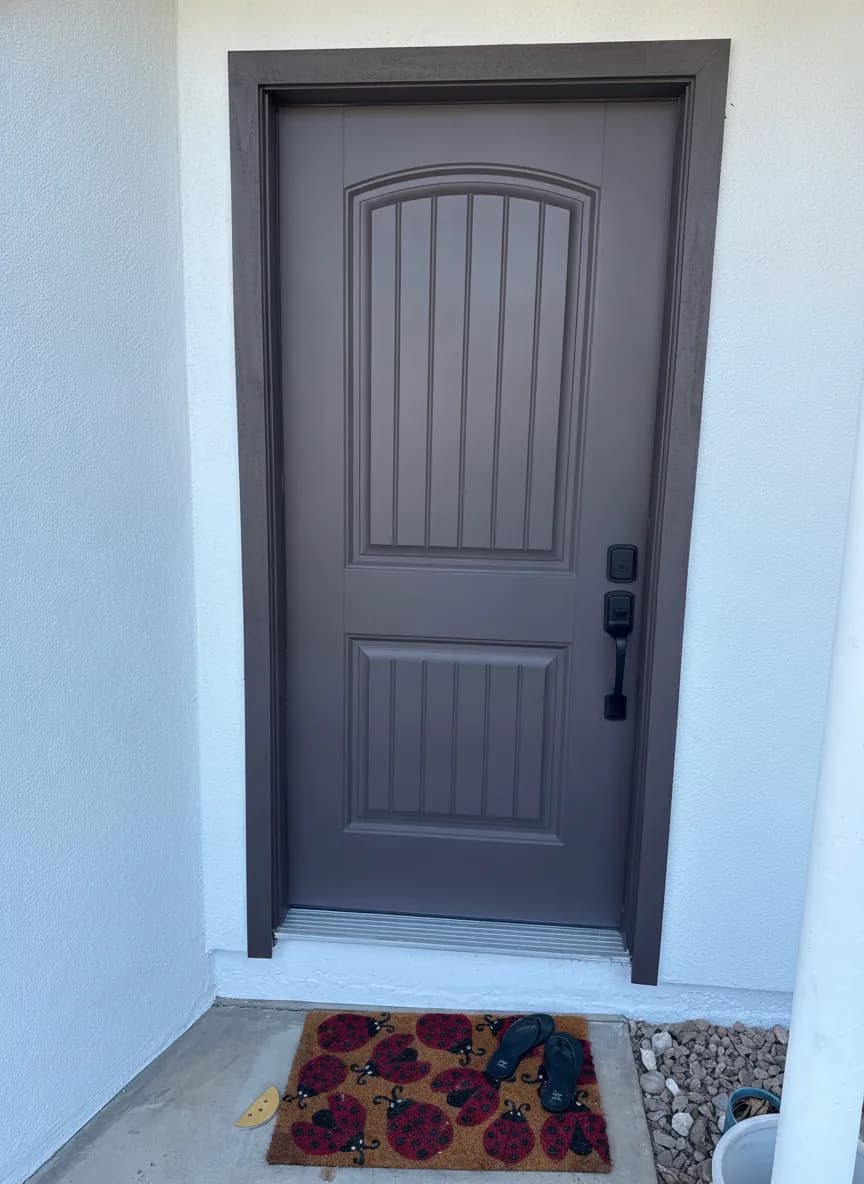
Front doors and iron details are where you can add character. A deep navy, charcoal, or a warm wood-tone finish on a door gives a Mediterranean or contemporary coastal home a clear focal point. Because coastal light shifts a lot between the morning marine layer and bright afternoons, always test colors on the actual wall and look at the samples at different times of day. Cabinet and interior projects follow the same logic: lighter, warmer neutrals keep beach-close interiors feeling open, and a color consultation helps tie interior and exterior choices together.
The Best Time to Paint in Dana Point
Timing an exterior project around the local weather makes a real difference. Late spring through early fall usually offers the most reliable painting windows, though even summer mornings can start under the marine layer. The goal is dry surfaces and enough daytime warmth for proper curing, so crews often start a little later in the morning once the damp has burned off and stop before evening moisture returns.
May and June can bring extended gray mornings, sometimes called the local May Gray and June Gloom, which shorten the usable painting hours. That does not rule those months out, it just means the schedule has to flex with the weather rather than force a coat onto a damp wall. Interior work, cabinet refinishing, and wood refinishing are far less weather-dependent, so they are good projects to schedule during grayer stretches or the wetter winter months.
Planning Your Project the Smart Way
A smooth Dana Point paint project starts with an honest look at the home. Walk the exterior and note chalking, peeling, cracked stucco, rusting iron, and any wood that feels soft, since prep is where a coastal paint job succeeds or fails. Salt film, mildew, and old failing paint all need to come off before anything new goes on, which is why pressure washing and careful prep usually take a meaningful share of the total time.
From there, confirm any HOA requirements, lock in your colors with a consultation if you want a second set of eyes, and match the products to your surfaces and exposure. Decorative finishes can add depth to feature walls or entries, and cabinet or wood refinishing can refresh an interior without a full remodel. Verdan Painting, based in San Clemente and serving Dana Point and the rest of Orange County, can walk the property with you and put together a plan built around your home's exposure and style. To talk through a project, call (949) 774-8496.
Frequently asked questions
- Does the salt air in Dana Point really shorten how long paint lasts?
- Yes. Airborne salt near the Harbor and the bluffs breaks down lower-grade paint films and corrodes metal faster than inland conditions. Using a quality exterior product rated for coastal and high-UV exposure, along with thorough prep and pressure washing, helps a coat hold up much longer in this setting.
- Do I need HOA approval to paint my home in Monarch Beach?
- Often yes. Many Monarch Beach and Dana Point communities keep approved coastal palettes and require architectural review before exterior work. Check your CC&Rs and ask your HOA or management company for the approved colors and the submission process, since approval can take a couple of weeks.
- When is the best time of year to paint a house in Dana Point?
- Late spring through early fall usually gives the most reliable exterior painting windows, with crews often starting after the morning marine layer clears. May Gray and June Gloom can shorten usable hours, so scheduling stays flexible. Interior, cabinet, and wood refinishing work can be done year-round.
Related services
Serving
Ready for an exact price?
Get a free, no-pressure in-home estimate. Real numbers for your home, not a phone guess.